
Health Risks
Historical Perspective of Proactive and Reactive Regulations of E-cigarettes to Combat Nicotine Addiction
https://journals.lww.com/journaladdictionmedicine/Abstract/publishahead/Historical_Perspective_of_Proactive_and_Reactive.99259.aspx
Abstract
Cigarettes and electronic cigarettes (e-cigarettes) are major sources of exposure to nicotine, an addictive chemical. Although these products are being regulated by the Food and Drug Administration (FDA) under the Tobacco Control Act, specifications about the nicotine content in these products have not been established yet. In e-cigarettes, nicotine concentration ranges from 0 to > 50mg/mL, and the recent e-cigarette devices provide control to change nicotine flux for higher nicotine delivery. Due to the lack of robust regulations in manufacturing, distribution and marketing, e-cigarettes have already infiltrated the market with youth appealing flavors and devices. As a result, the country is facing a youth epidemic of e-cigarette use. The unregulated nicotine levels in both cigarettes and e-cigarettes can lead to repeated and overexposure of nicotine to youth which can lead to the addiction and detrimental effects on their cognitive functions. Over the past decade, the corrective measures being taken by the FDA for cigarette and e-cigarette regulations also should focus on nicotine exposure levels. Before it is too late to prevent youth from lifetime addiction to nicotine, it is important to address the issues of nicotine concentration, nicotine flux and the e-cigarette device regulations while offering adults with smoking disorder less harmful alternatives to cigarettes.
E-cigarette users are exposed to potentially harmful levels of metal linked to DNA damage
Zinc excess in the body correlates with oxidative stress
https://www.eurekalert.org/pub_releases/2020-02/uoc–eua022020.php
RIVERSIDE, Calif. — Researchers at the University of California, Riverside, have completed a cross-sectional human study that compares biomarkers and metal concentrations in the urine of e-cigarette users, nonsmokers, and cigarette smokers.
They found that the biomarkers, which reflect exposure, effect, and potential harm, are both elevated in e-cigarette users compared to the other groups and linked to metal exposure and oxidative DNA damage.
“Our study found e-cigarette users are exposed to increased concentrations of potentially harmful levels of metals — especially zinc — that are correlated to elevated oxidative DNA damage,” said Prue Talbot, a professor of cell biology, who led the research team.
Zinc, a dietary nutrient, plays key roles in growth, immune function, and wound healing. Too little of this essential trace element can cause death; too much of it can cause disease. Its deficiency, as well as its excess, cause cellular oxidative stress, which, if unchecked, can lead to diseases such as atherosclerosis, coronary heart disease, pulmonary fibrosis, acute lymphoblastic leukemia, and lung cancer.
Electronic cigarettes consist of a battery, atomizing unit, and refill fluid. Metals in e-cigarette aerosols come mainly from the metal components in the atomizer– nichrome wire, tin solder joints, brass clamps, insulating sheaths, and wicks — as well as the e-fluids that the atomizers heat.
The study, which appears in BMJ Open Respiratory Research, marks the first time researchers have examined and quantified urinary biomarkers of effect and potential harm in relation to metals in e-cigarette users.
A biomarker is a quantifiable characteristic of a biological process. Biomarkers allow researchers and physicians to measure a biological or chemical substance that is indicative of a person’s physiological state. Previous e-cigarette studies with humans have examined biomarkers of exposure — for example, nicotine or nicotine metabolites — but none have studied biomarkers of potential harm or shown how this harm correlates with metal exposure.
The biomarkers studied by the UC Riverside researchers were 8-hydroxydeoxyguanosine (8-OHdG), a biomarker of oxidative DNA damage; 8-isoprostane, an indicator of the oxidative degradation of lipids; and metallothionein, a metal response protein. All three biomarkers were significantly elevated in e-cigarette users compared to the concentrations in cigarette smokers.
“Our findings reaffirm that e-cigarette use is not harm free,” said Shane Sakamaki-Ching, a graduate student in the Cell, Molecular and Developmental Biology Graduate Program and the research paper’s first author. “Indeed, prolonged use may lead to disease progression.”
The researchers advise physicians to exercise caution when recommending e-cigarettes to their patients. Electronic cigarette aerosols contain potentially harmful chemicals, cytotoxic flavor chemicals, metals, ultrafine particles, and reaction products. E-cigarette use has been linked to adverse health effects such as respiratory diseases, increased risk for cardiovascular disease, and impaired wound healing following surgery.
“Pregnant women, especially, should not be encouraged to use e-cigarettes,” Talbot said. “Excess of zinc in their bodies can lead to nausea and diarrhea. Given the recent deaths and pulmonary illnesses related to e-cigarette usage, everyone should be made aware of the potential health risks linked to e-cigarette usage.”
The study involved 53 participants from the Buffalo, New York, area. Talbot and Sakamaki-Ching were joined in the study by Monique Williams, My Hua, Jun Li, Steve M. Bates, Andrew N. Robinson, and Timothy W. Lyons of UCR; and Maciej L. Goniewicz of the Roswell Park Comprehensive Cancer Center, Buffalo, New York.
The study was supported by grants from the National Institutes of Health.
Long-term Impact of E-cigarette and Vaping Product Use
Long-term Impact of E-cigarette and Vaping Product Use-associated Lung Injury on Diffusing Capacity for Carbon Monoxide Values: A Case Series
https://www.cureus.com/articles/26302-long-term-impact-of-e-cigarette-and-vaping-product-use-associated-lung-injury-on-diffusing-capacity-for-carbon-monoxide-values-a-case-series
Abstract
There has been an outbreak of lung injury associated with e-cigarettes and vaping in the United States since early 2019. We present two cases who were admitted to the hospital with shortness of breath and cough. Chest imaging showed they had interstitial changes. They were diagnosed with e-cigarette and vaping product use-associated lung injury (EVALI) and treated with steroids and supportive management. With an improvement in symptoms, they were discharged home.
On follow-up in the clinic, both patients were asymptomatic and had complete resolution of radiographic abnormalities. However, pulmonary function testing showed reduced diffusion capacity for carbon monoxide (DLCO). Total lung capacity (TLC), forced vital capacity (FVC), forced expiratory volume in the first one second (FEV-1), and the FEV-1/FVC ratio were normal.
Introduction
There has been an outbreak of lung injury associated with e-cigarettes and vaping in the United States since early 2019. As of January 21, 2020, the Centers for Disease Control (CDC) has received reports of 2,711 cases of e-cigarette and vaping product use-associated lung injury (EVALI) [1]. The exact cause of lung injury remains unclear, but patterns are consistent with a toxic inhalation pulmonary injury, which suggests a direct injury rather than an infectious cause [2]. Vitamin E acetate is identified as a chemical of concern by the CDC among people with EVALI. This agent is used for thickening in tetrahydrocannabinol (THC)-containing e-cigarette and vaping products [1]. Since the outbreak of EVALI, most research has focused on the diagnosis and acute management of EVALI [3-4]. The long-lasting effects of EVALI have yet to be thoroughly investigated. We present two cases that were discharged from the hospital after recovering from EVALI but had reduced diffusion capacity for carbon monoxide (DLCO) in follow-up pulmonary function testing.
Case Presentation
Case 1
A 23-year-old female presented with the chief complaint of shortness of breath, dry cough, and low-grade fevers. She reported a history of smoking cigarettes and marijuana and had started vaping recently. She denied any rash, hemoptysis, joint pains, recent travel, intravenous drug use, sick contacts, or previous history of tuberculosis. The patient had initial workup in the emergency department (ED), including chest imaging and basic lab testing. A computed tomography angiography (CTA) of the chest showed bilateral ground-glass opacifications, which were more pronounced in the lower lobes, along with mediastinal and hilar lymphadenopathy (Figure 1). Laboratory findings were significant for an elevated white blood cell (WBC) count without bandemia. Blood cultures, respiratory viral panel, influenza testing, Legionella, and strep urine antigens were negative. She was empirically started on treatment for community-acquired pneumonia with ceftriaxone and azithromycin. Despite being on antibiotics, she continued to spike fevers and had a few episodes of vomiting during her hospitalization. She was provided supportive treatment, started recovering later, and was discharged to complete a one-week course of antibiotics. The patient met the criteria for a “confirmed case” as per the CDC case definition guidelines [5]. She had follow-up pulmonary function tests (PFTs) performed two months after discharge, which showed a diffusion capacity of 63% of predicted. TLC, FVC, FEV-1, and the FEV-1/FVC ratio were normal. Follow-up computed tomography (CT) after two months showed the resolution of ground-glass opacities (Figure 2).
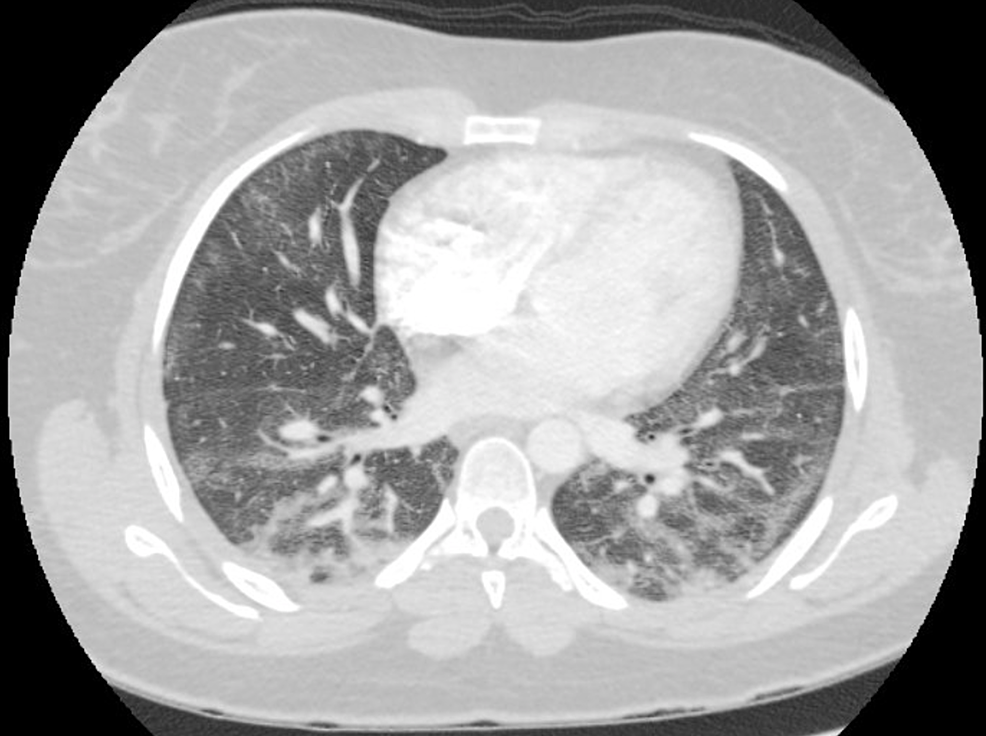
Figure 1: CTA chest showing bilateral ground-glass opacities
CTA: Computed tomography angiography
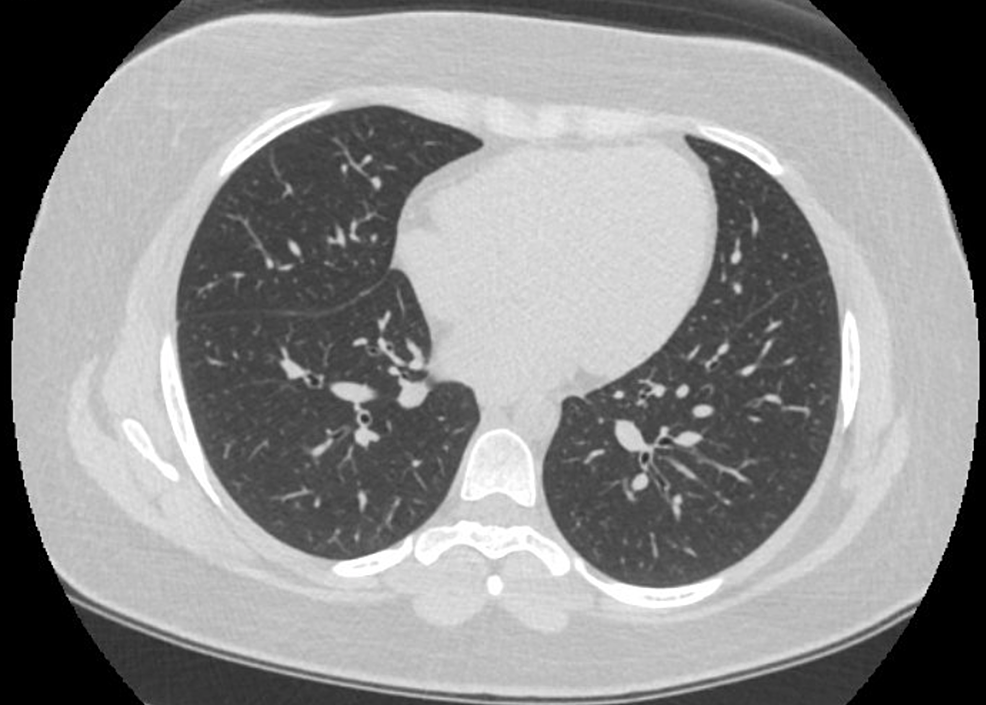
Figure 2: Follow-up CT chest after two months
CT: Computed tomography
Case 2
A 46-year-old female presented with shortness of breath and associated dry cough for two days. She denied recent travel, sick contacts, fever, chills, night sweats, chest pain, and sputum production, as well as a prior history of lung disease. She stated that she had never smoked or used vaping products. A CTA of the chest was performed, which showed diffuse patchy alveolar opacities throughout both lungs (Figure 3). She was initially placed on a high-flow nasal cannula and broad-spectrum antibiotics, but her condition worsened quickly and she had to be intubated and temporarily paralyzed to help with oxygenation. She was started on high-dose steroids due to concern for acute interstitial lung disease. Upon arrival, the patient had an elevated WBC count with bandemia, as well as an elevated lactic acid of 2.3 mmol/L. She tested negative for human immunodeficiency viruses (HIV). Blood cultures, respiratory viral panel, and influenza testing were negative. Urine Legionella and Streptococcus antigen were also negative. Fiberoptic bronchoscopy with bronchoalveolar lavage (BAL) was performed. The BAL analysis showed the patient had 91% neutrophils. Cultures from the BAL fluid were negative. No cysts of pneumocystis were identified. Oil Red O stain was performed, and it showed positive staining in a small number of alveolar macrophages (<5% of the cellular population present). A basic rheumatologic workup showed an antinuclear antibodies titer of 1:40. Tests for rheumatoid factor and antinuclear cytoplasmic antibodies were negative. An echocardiogram showed normal ejection fraction and there was no valvular abnormality.
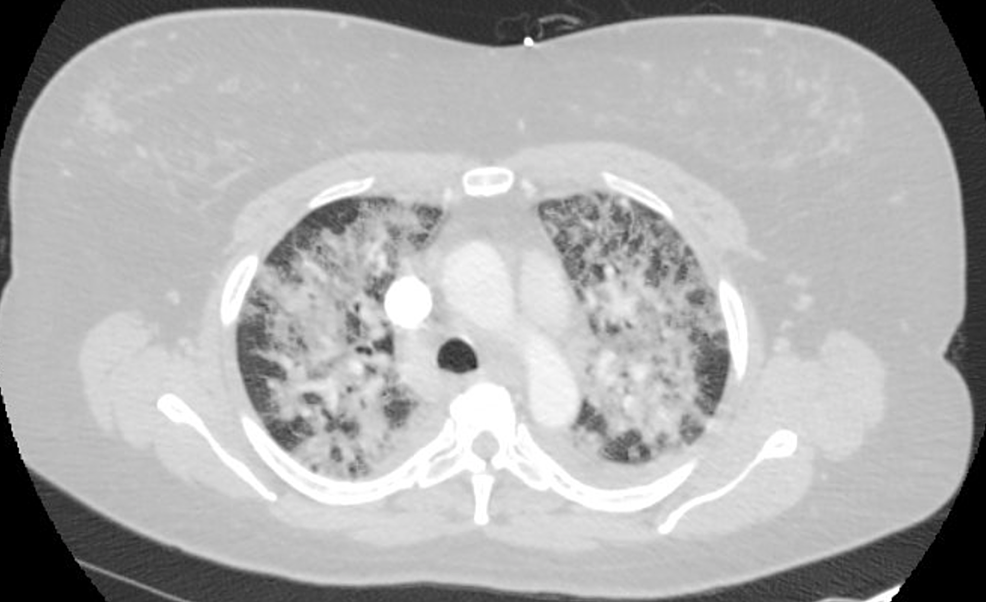
Figure 3: CTA chest showing bilateral alveolar opacities
CTA: Computed tomography angiography
A few days after intubation, the patient’s mother revealed that the patient, contrary to what she admitted to the hospital staff earlier, had, in fact, been using e-cigarettes one month prior to her hospital admission. Meanwhile, the patient’s condition improved until she was extubated to a nasal cannula after being on the ventilator for five days. She was later transitioned to room air and discharged to a rehabilitation center. She was advised to complete a 10-day-long course of steroids. She also met the criteria for a “confirmed case” of EVALI as per CDC case definition guidelines [3]. She had follow-up PFTs performed, which showed a diffusion capacity of 61% of predicted. TLC, FVC, FEV-1, and the FEV-1/FVC ratio were normal. This was seen despite the resolution of radiographic abnormalities as seen in Figure 4. This is the follow-up of the case published on November 22, 2019 [6].
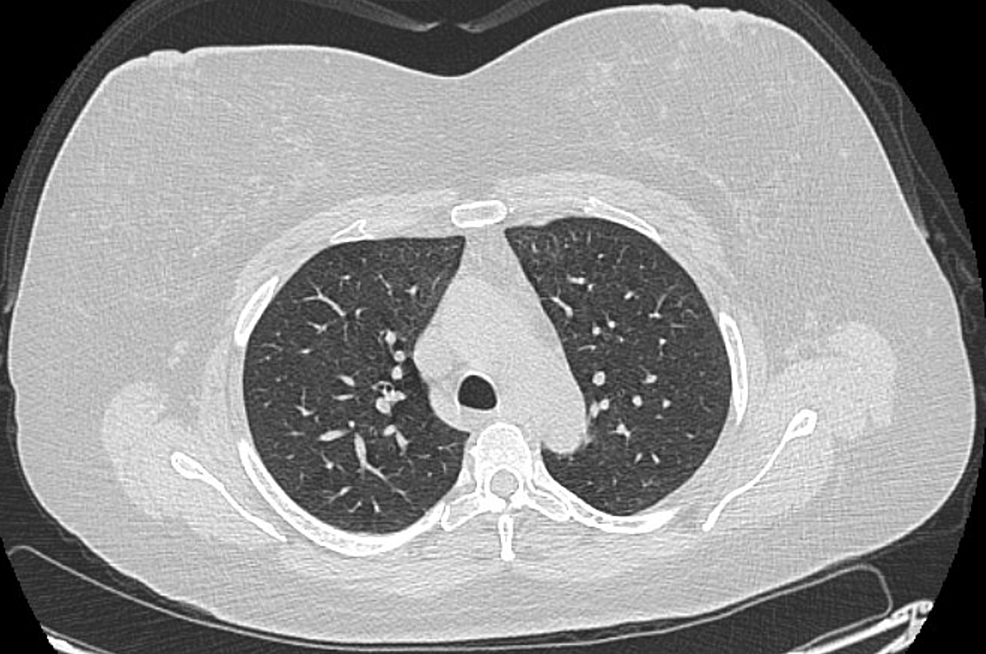
Figure 4: Follow-up CT chest after two months
CT: Computed tomography
Discussion
In all cases presented above, our patients were provided supportive treatment, which included the administration of steroids. This is in line with the current management of patients with EVALI. On follow-up in the clinic, both patients were asymptomatic.
Even though the diagnosis and management of acute lung injury associated with EVALI have been topics of focused investigation, the long-lasting effects of EVALI have not been studied extensively since it is a relatively recent disease [3]. Clinicians should be aware of the possibility of the chronic effects of EVALI on lung functions, especially low DLCO, as documented in these cases. The literature review revealed only one study showing the effects of EVALI on pulmonary function testing. It showed that five of the six patients with abnormal pulmonary function tests had a low DLCO [2]. It is interesting to note that this may hold true despite the resolution of symptoms and radiographic abnormalities. Decreased DLCO has been shown to be a predictor of all-cause mortality independent of other spirometric volumes [7]. It is, therefore, important that patients with EVALI are followed up closely and have pulmonary function testing performed, even if radiographic abnormalities and symptoms have resolved.
As more cases of EVALI are reported, more is expected to be learned about its long-term physiological effects.
Conclusions
With the recent outbreak of lung injury associated with e-cigarettes and vaping, physicians should be aware of the acute and long-term impact of vaping on the lungs. The diagnosis and management of acute lung injury associated with EVALI have been topics of investigation. As this is a recent phenomenon, the long-lasting effects of EVALI have not been studied thoroughly. Physicians should be aware of the possibility of reduced DLCO in patients who have recovered from acute illness.
Examining the relationship between impulsivity-related personality traits and e-cigarette use in adults
Highlights
•Trait impulsivity did not differentiate e-cigarette users from non-smokers.
•Lack of perseverance and negative urgency differentiated e-cigarette users from cigarette smokers.
•Negative and positive urgency differentiated e-cigarette users from dual users.
•Trait impulsivity was unrelated to measures of frequency and intensity of e-cigarette use.
https://www.sciencedirect.com/science/article/abs/pii/S0306460319303545
Abstract
Aims
The present study aimed to investigate the relationship between impulsivity-related personality traits based on the UPPS-P model and e-cigarette use. The study used a sample of mainly European adults and compared e-cigarette users with non-smokers, cigarette smokers and dual users (those who currently smoke cigarettes and use e-cigarettes). Additionally, the relationship between impulsivity-related traits and frequency and intensity of e-cigarette use was examined, while the main reasons for e-cigarette use were also assessed.
Methods
Participants were 720 adults (234 non-smokers, 164 smokers, 150 e-cigarette users, 172 dual users), who completed online questionnaires regarding sociodemographics, smoking/e-cigarette use behaviour, and impulsivity (UPPS-P scale).
Results
Impulsivity-related traits did not significantly differentiate e-cigarette users from non-smokers. E-cigarette users showed lower levels of lack of perseverance than cigarette smokers, and they exhibited lower levels of negative and positive urgency than dual users. Negative urgency also significantly differentiated smokers and non-smokers, with smokers having higher levels of the trait. No significant results were found examining the relationship between the impulsivity-related traits and e-cigarette behaviour (number of days vaping per month, number of times vaping per day, and millilitres of e-liquid used per day). The main reason given for e-cigarette use was the perception that it is less harmful than cigarettes.
Conclusion
The present study found that trait impulsivity differentiated e-cigarette users from cigarette smokers and dual users, but did not differentiate e-cigarette users from non-smokers. Such findings are important to not only help us identify factors associated with e-cigarette use, but also to potentially inform treatment plans and decisions.